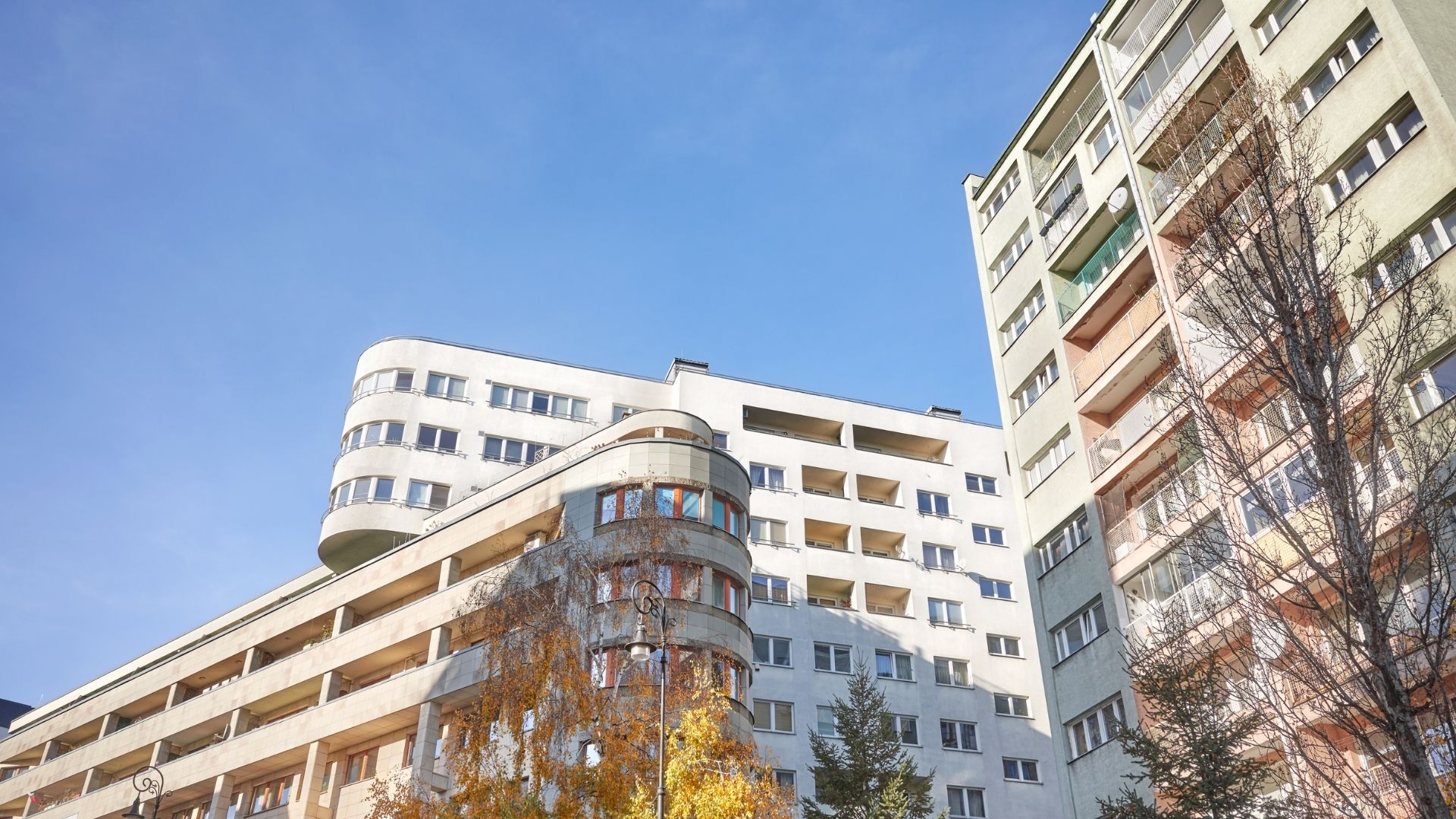


Housing, a central issue in the municipal elections: what can citizen participation bring?
Housing is a major concern for the population: 71% of French people say they will take it into account when voting in the municipal elections (Odoxa Barometer 2026).
As the largest household expense, housing encompasses considerable socio-economic and environmental challenges.
According to the Foundation for Housing the Disadvantaged, more than four million people are currently poorly housed: lack of a personal residence, poor living conditions, difficulties accessing or maintaining housing, and obstacles to residential mobility. The demand for social housing has never been higher, with more than 2.8 million applicants on the waiting list.
At the same time, the sector must address several structural challenges: accelerating the energy renovation of existing housing stock, reducing soil sealing, limiting resource consumption, and decreasing greenhouse gas emissions.
Local authorities on the front line
Faced with the housing crisis, local elected officials have concrete tools at their disposal: the development and revision of the local urban development plan (PLU), the issuance of building permits, urban renewal projects, the development of social housing, and land and planning strategies.
However , no local housing policy can be implemented sustainably without consulting those most directly affected, namely the residents.
The Town Planning Code mandates consultations, particularly under Article L.103-2. Beyond this legal obligation, however, it is essential to develop voluntary initiatives and establish a genuine culture of participation, as this is a prerequisite for the success of projects.
Why is citizen participation essential?
1. Enabling ownership of complex projects
Urban projects (local urban development plans, eco-neighborhoods, renovations, etc.) are often perceived as technical, distant, or even imposed. Residents may struggle to feel involved or doubt their right to participate.
By mobilizing residents, simplifying the issues surrounding the projects, and increasing transparency, participation fosters residents' ownership of urban projects and helps to (re)establish a climate of trust.
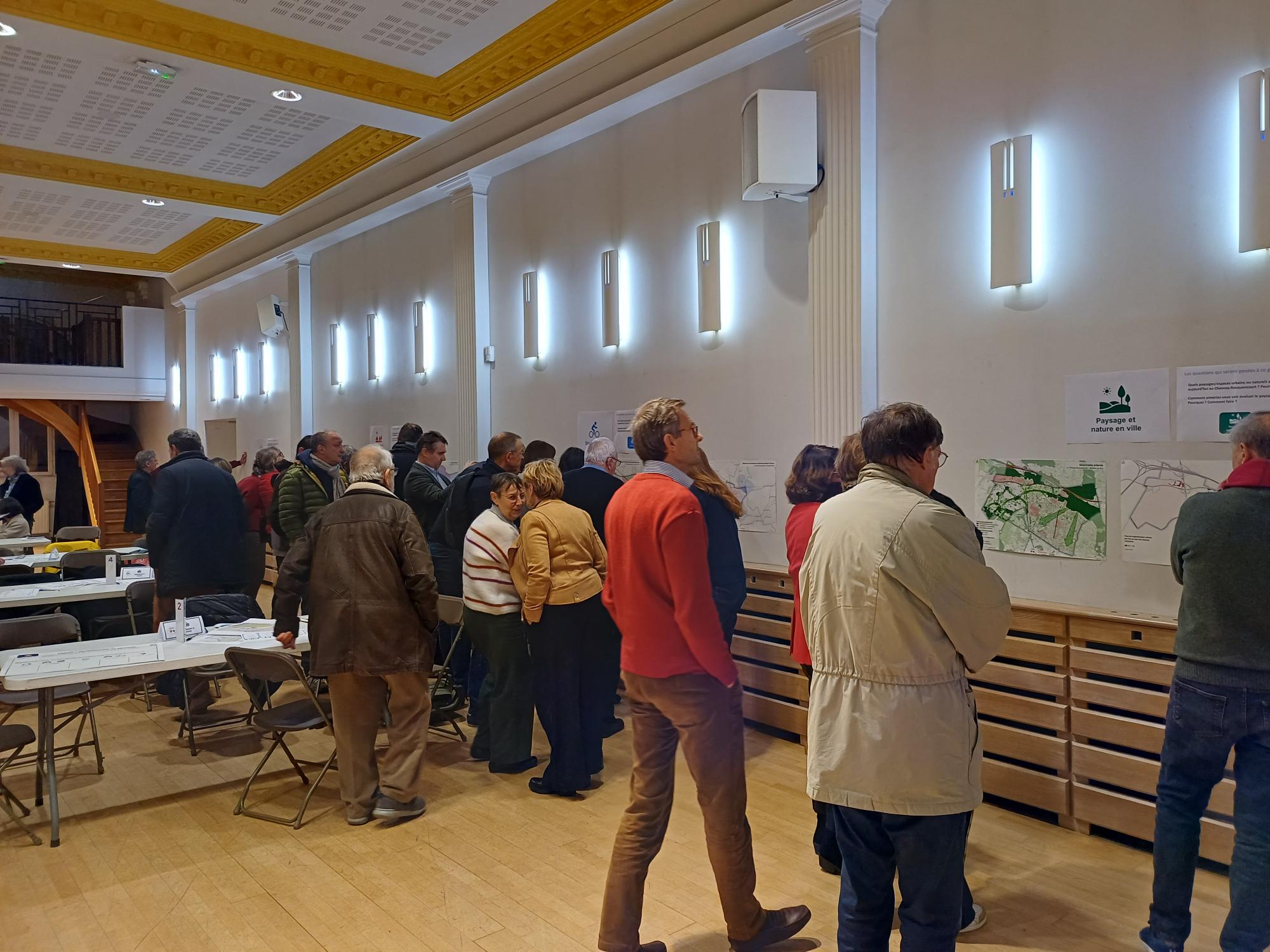
For example, as part of the preliminary consultation on the revision of the Chesnay-Rocquencourt local urban development plan, Res publica, in collaboration with the consulting firm Codra, designed an exhibition to help citizens better understand the themes of the plan and the key elements of the assessment.
2. Develop projects adapted to local realities
Participation provides a space for dialogue where residents can express their needs, expectations, and opinions.
In Noisy-le-Roi, for example, citizen participation played a key role in the redevelopment of the Chaponval eco-district. Residents actively participated in the project by proposing different building heights and types, and positioning them on the site to achieve a total of 500 units. This exercise allowed residents to better understand the challenges associated with densification and to share their views on the architectural identity of the future neighborhood.
User experience thus complements technical expertise.
.jpg)
3. Shedding light on sensitive trade-offs
Housing decisions are often divisive: should we increase density to limit urban sprawl? Prioritize new construction or renovation? Demolish or rehabilitate? These decisions have major consequences for quality of life, the environment, and social balance. Citizen participation allows residents' views on these dilemmas to inform elected officials' decisions.
The example of the Citizens' Convention for Transitions in the Rouen Metropolitan Area illustrates citizens' ability to grapple with complex dilemmas. Invited to express their views on the balance between multi-family and single-family housing by 2030, participants proposed a territorial approach in their final report: "Our approach is based on the idea that the further one moves from the town center, the more single-family housing can be developed, while the closer one gets, the more densification is necessary to streamline development, bring people closer to services and shops, and facilitate the growth of these businesses so that local life can flourish."
Conclusion
The question is no longer whether participation is necessary, but how to organize it in a sincere, inclusive, and structured way. Housing shapes territories in a lasting way. Involving residents in these choices means recognizing that planning is not solely a matter for experts, but a collective project.


